This is the complete list of films included in Consequence of Sound's list <a href="https://consequenceofsound.net/2017/11/the-100-greatest-movie-soundtracks-of-all-time/">The 100 Greatest Movie Soundtracks of All Time</a> assembled by Consequence of Sound's staff.
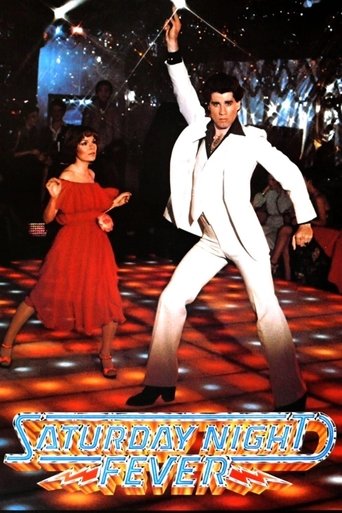
1 Saturday Night Fever1977Rare is the album synonymous with an entire genre. That’s essentially Saturday Night Fever, the 15x Platinum-selling, Grammy-winning soundtrack that iconized an entire cultural movement and captured an era, all in under 20 tracks. Now, say what you will about disco — seriously, if you’ve got a problem, we can take this shit outside and dance — but there’s zero disputing the power behind this album. The son of a bitch managed to stay afloat the Billboard charts for 24 straight weeks — not to ment
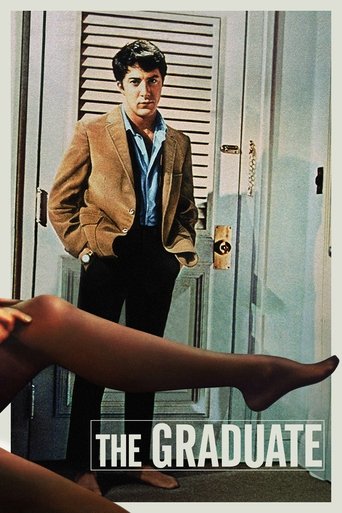
2 The Graduate1967The recently graduated Benjamin Braddock is staring down the barrel of a future that disturbs him. One he feels himself being involuntarily ushered towards, not unlike the airport conveyer belt during the The Graduate’s opening credits. And during these moments of uneasiness and increased disconnection come the soft voices of Simon and Garfunkel in agreement. They signal time aimlessly passing (“April Come She Will”), accompany Ben’s growing infatuation with Elaine Robinson (“Scarborough Fair/Ca
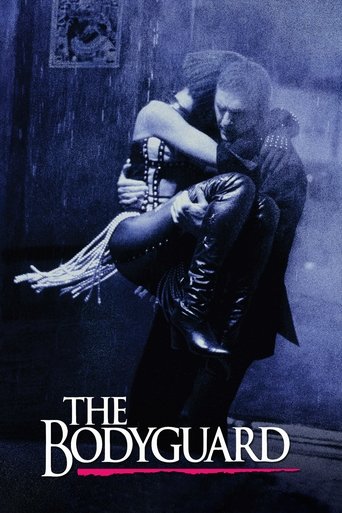
3 The Bodyguard1992It’s hard to imagine a soundtrack that relies heavily on Kenny G and Joe Cocker to rise near the top of a list like this, but you can get away with a little bit of Kenny when you’ve also got a performance as absolutely legendary as Whitney Houston’s “I Will Always Love You” on The Bodyguard. The now 18x Platinum soundtrack features some other great Whitney tracks — “I’m Every Woman” and “Queen of the Night” have their fun — but really, we’re talking about one of the single greatest vocal perform
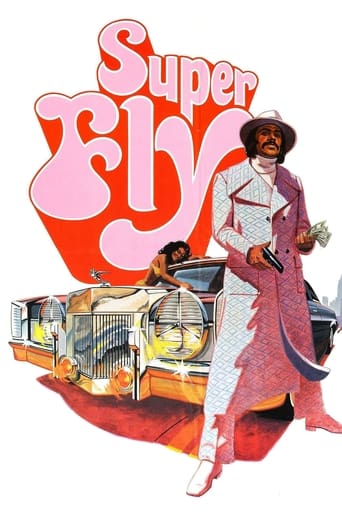
4 Super Fly1972In 1971, Marvin Gaye famously questioned the state of his community, and the following year, Curtis Mayfield gave him the answer with Super Fly, a vivid aural tapestry that displayed exactly what was going on. At his musical peak, Mayfield glosses over nothing, exploring the double standards of society while giving both victims and predators voices. Mostly an impartial observer, Mayfield’s ire is raised at times, such as the concurrent “Pusherman”, and it’s these moments where Mayfield elevates
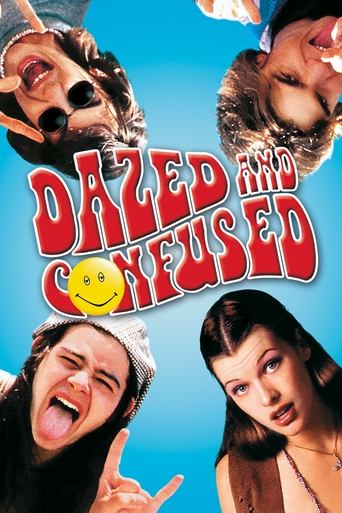
5 Dazed and Confused1993It’s no surprise that a film about teenagers in the ‘70s would boast a great soundtrack. From recognizable hits to then-obscure rockers and even deep cuts, the film’s mix unquestionably lived up to its musical name (enough to warrant two equally great volumes). But the music is also part of the story here, through radios, speakers, and headphones. Even the songs that are artificially placed mirror the story, as in the male and female hazing scenes. This makes the music the experienced star here,
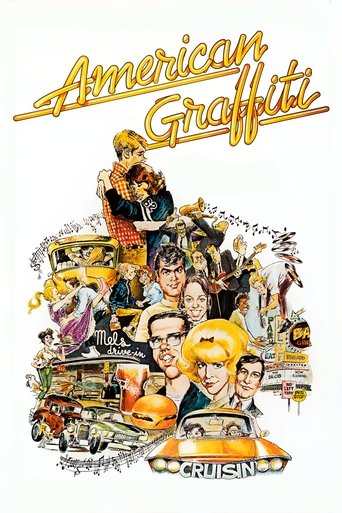
6 American Graffiti1973Wanna know the real title of the American Graffiti soundtrack? It’s actually labeled 41 Original Hits from the Soundtrack of American Graffiti. Some bargain, right? Yeah, like the tasty burgers and fries at Mel’s Drive-Thru, this double-album is a total bang for your buck. At 41 tracks, you not only get to relive George Lucas’ nostalgic portrait of 1962 America, but get a quick lesson in early rock ‘n’ roll and vintage doo wop. So, it’s both a piece of movie merchandise and a genuine history les
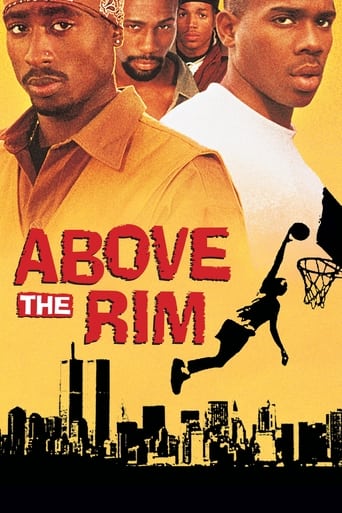
7 Above the Rim1994In 1994, the fervor for rap in general and Tupac Shakur in specific drove multiple soundtracks of the Billboard charts; but of that critical hip-hop moment, Above the Rim struck a nerve, thanks to the film’s raw emotion and the soundtrack’s nexus of rap power. At the film’s release, Tupac was in the midst of establishing his legend, while Suge Knight and Dr. Dre worked as the soundtrack’s producers. The film’s tale of basketball as struggle and triumph showcases both the radiant highs and gritty
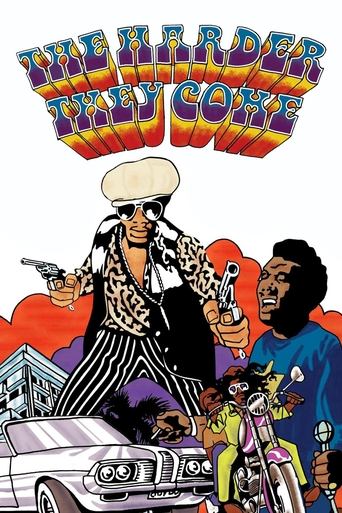
8 The Harder They Come1972Like the film, the soundtrack to this cultural sensation was rooted in its truth. While The Harder They Come extolled the greatness of Jamaican culture, the film also spoke to the hardships that weighed on the people, making it one of the most enduring and striking political statements of its time. Most will remember it now for opening the door to reggae’s worldwide success, but the soundtrack’s most remarkable quality was not just exposing the appeal of reggae, but its inherent power. The sound
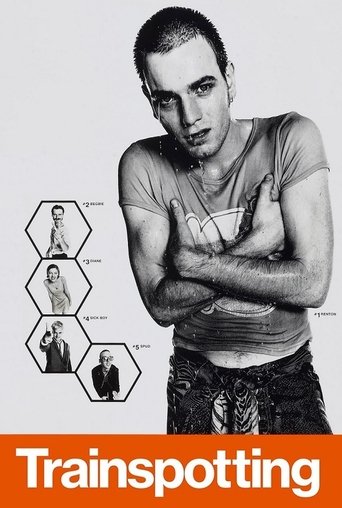
9 Trainspotting1996Listening to the Trainspotting soundtrack may not produce the precise feeling of being on an intense drug-high like the film’s protagonists — but it will sure give you a buzz. The electronic and post-punk mix thrives on pumping beats and the kind of blank-eyed intensity that comes at the end of a long night. And we’re not talking about a happy high, necessarily either. Iggy may have had a “Lust for Life”, but we all know where that can lead, the synth sirens of Underworld’s “Born Slippy” signal
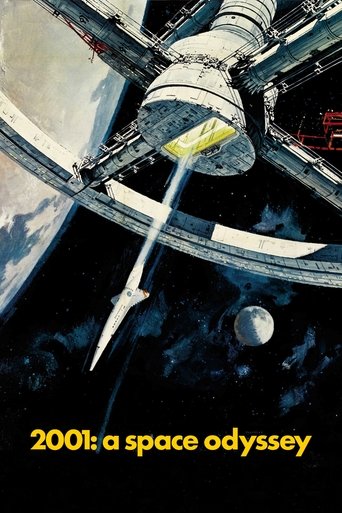
10 2001: A Space Odyssey1968Stanley Kubrick’s 2001: A Space Odyssey positions itself in a mystic always, a place in the interstellar timeline in which the origins of the world and the far future are one in the same. To achieve that timeless feeling, the legendary director opted for a mixture of classical composers that at once feel stately and regal but also dizzying and disorienting. Using German composer Richard Strauss’ “Also Sprach Zarathustra” during a scene of apes learning to use tools shades their discovery with a
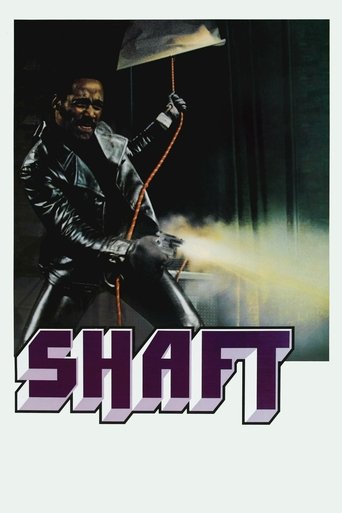
11 Shaft1971Shaft was great. Shaft was huge. Shaft changed everything. When Richard Roundtree first walked out to the sounds of Isaac Hayes’ Academy Award-winning theme, it was a watershed moment in Hollywood history. As one of the earliest blaxploitation films — not to mention, one of the genre’s most successful — Shaft blew the door wide open for black culture in American cinema. Of course, much of that success is owed to Hayes’ groundbreaking score, which not only topped the Billboard 200 but warranted t
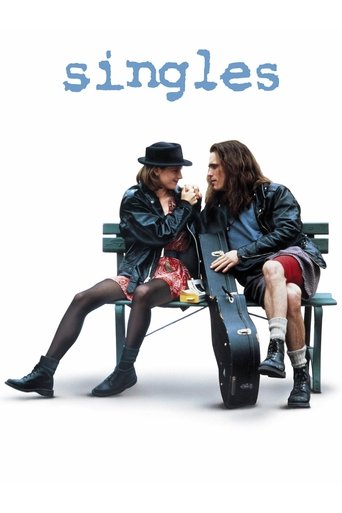
12 Singles1992With a background in rock journalism, it’s not surprising that filmmaker Cameron Crowe’s soundtracks often play like mixtapes made by a guy with better taste in music than most. However, for Crowe, it’s not just about loading up soundtracks with killer material that can also shift units. Singles finds the pre-fame director using Seattle’s early ‘90s grunge scene not only as a backdrop or pop-cultural touchstone but as a realistic world in which to immerse his characters. And through a soundtrack
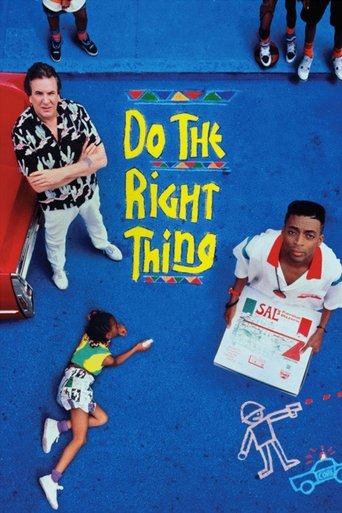
13 Do the Right Thing1989While Bill Lee’s score hangs heavy over much of the punishing summer day within Spike Lee’s 1989 classic, it’s hard to even think of that year without quickly following it as Public Enemy did: “the number of another summer.” PE’s “Fight the Power” perfectly harmonizes with Rosie Perez’s ferocious, agonized opening dance, just as well as it does later, as the doomed Radio Raheem’s expression of existential outrage. But even if Lee’s soundtrack would make this list on the strength of that one song
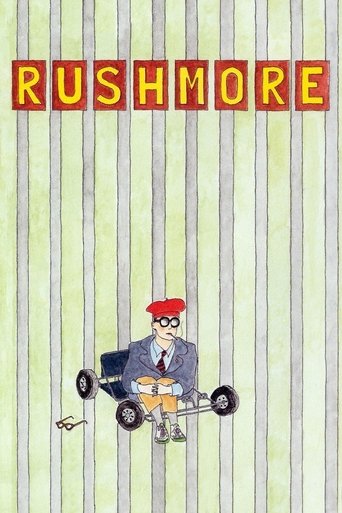
14 Rushmore1998Director Wes Anderson originally intended for the entire soundtrack to Rushmore to be Kinks songs. He had originally envisioned Max as a vocal and angry British exchange student and thought The Kinks would be the type of rock band a kid who wears a blazer might listen to. However, as the project evolved and grew less Kinky, what became clear is Anderson’s uncanny ability to pair popular sounds and images: Max’s yearbook (The Creation’s “Making Time”), Herman’s drunken cannonballing to The Kinks
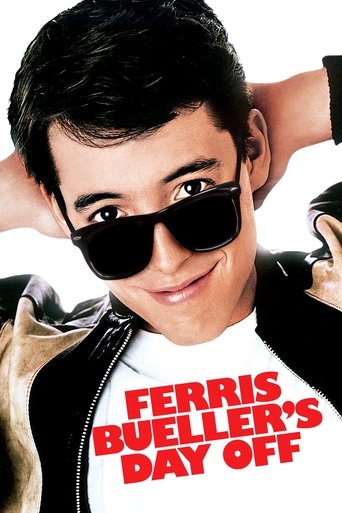
15 Ferris Bueller's Day Off1986For 30 years (!!!), fans were denied an official soundtrack, a big gaffe from the legendary John Hughes that had people settling with fuzzy mixtapes and clunky playlists. “Who’d want all these songs,” he told Lollipop in 2003, pointing the absurdity of pairing Wayne Newton with Yello. And they don’t go together, but they do back up Ferris’ diverse appeal. To do the righteous dude justice, you need a righteous playlist, and look no further than a soundtrack that’s confident jumping from Star Wars
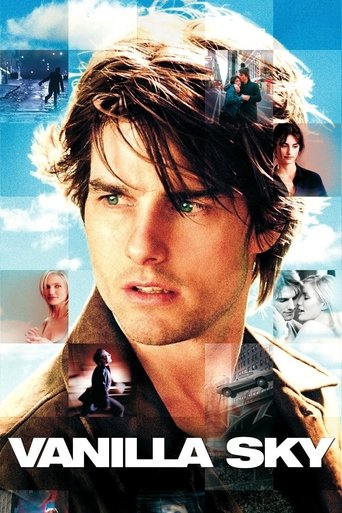
16 Vanilla Sky2001Once in awhile, a soundtrack comes along to elevate a film to its true potential. Enter Cameron Crowe’s 2001 psychological mindfuck Vanilla Sky. His take on Alejandro Amenábar’s Abre los ojos finds Tom Cruise running around New York City with his greatest haircut of all time. Behind him, though, is what can best be described as a satin quilt of groundbreaking alternative music — no, really. At a time when mainstream music was at its worst, here came Crowe with a collection of certifiably great n
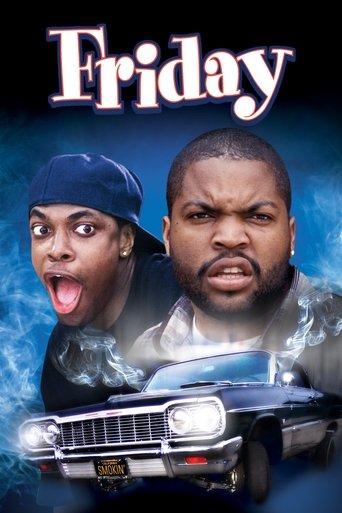
17 Friday1995The ’90s were packed with quality hip-hop/R&B driven soundtracks, and one of the more successful fused both, capturing the sound of the era and the sampling revivalism of the time with perfect clarity. Ice Cube’s title track and Dr. Dre’s “Keep Their Heads Ringin” might have been the hits from Friday‘s double-platinum soundtrack, but the album at large illustrates the movie’s quiet tension between laid-back slacker aesthetics and the grittier realities of South Central. The former gets the Isley
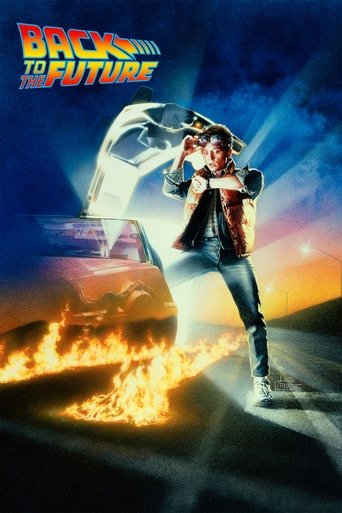
18 Back to the Future1985By design alone, Back to the Future is perhaps the perfect soundtrack. Hit original songs, iconic classics, a memorable score, and a few B-sides from legendary musicians; it pretty much has it all in just 10 songs. The soundtrack goes beyond this, though, co-opting one classic and another all-time great in one truly unforgettable scene that almost make the score and original hits secondary. Don’t believe me? Just play the riff of “Johnny B. Goode” in a public space and count how long it takes fo
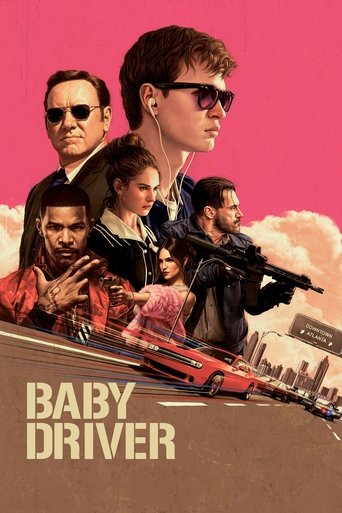
19 Baby Driver2017Choreographing an elaborate scene to an energetic song is nothing new, but what is new is how Edgar Wright framed the scenes within the context of each song with Baby Driver. Songs by Queen, The Damned, and Jon Spencer all are fully presented, allowing you to enjoy the full spectacle of a car-chase musical. In between the arranged chaos, the movie awakens other gems too, and even those that get a little chopped up get their just due with apartment dances and laundromat toe-tapping. With this att
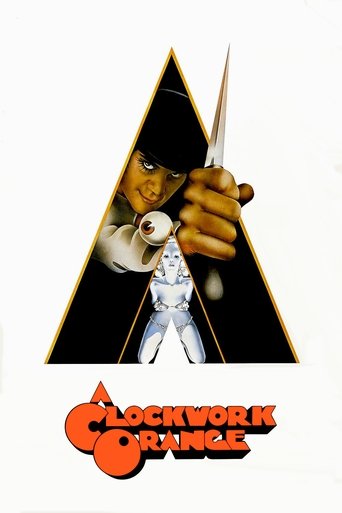
20 A Clockwork Orange1971A critical narrative element of A Clockwork Orange is the conditioning of the film’s main character against the very music being used in its soundtrack. In Stanley Kubrick’s adaptation of Anthony Burgess’s novel, ultra-violent rapist Alex DeLarge is treated with intense, controversial psychological conditioning, forced to watch endless scenes of violence and sex while listening to his favorite composer, Beethoven. From that point on, any hint of that music is attached in his mind to pain and suf
21 Easy Rider1969There were plenty of great soundtracks before Easy Rider came out in 1969, but none changed the way people viewed music in movies quite like it. It wasn’t that the movie boasted songs from Dylan, Hendrix, The Band, The Byrds, and Steppenwolf — a contemporary ensemble that remains one of the absolute best — it was that the songs all helped advance the story, revealing both the woes and joys of the counterculture. While movies today may seek to replicate the spirit of rock music or the songs they
22 Pulp Fiction1994Quentin Tarantino has always been a pop-culture junkie with an appreciation for the past. As a result, almost all of his films do two things: give a declining actor a chance to regain his or her swagger and repurpose older songs that many may have forgotten or not heard in years. In Pulp Fiction, his crate digging yields now-classic cinematic pairings of Vincent and Mia twisting to Chuck Berry’s “You Never Can Tell” at Jack Rabbit Slim’s and Mia later overdosing while rocking out to Urge Overkil
23 Drive2011Drive didn’t make household names out of artists like Riz Ortolani and Cliff Martinez, but that was never the intention. The music that soundtracks this gritty and sparse tale is not there to stand-out, it’s there to help immerse you into the world of the Driver, where each word is carefully chosen and each movement strategically planned out. Even the songs that can stand on their own, most notably “A Real Hero” by College, feel incomplete when viewed out of context. Just like the Driver, you ne
24 Blue Velvet1986Although it’s his fourth feature, Blue Velvet often feels like David Lynch’s debut. It set the stage for everything that would follow from the auteur: his dreamy meditations on good vs. evil, his divine admiration for ’50s aesthetics, and his damn fine work with composer Angelo Badalamenti and singer Julee Cruise. The latter led to one of his greatest Lynchian constructs, a score that celebrates Shostakovich’s 15th Symphony, while also paying homage to the vintage pop of yesteryear, what with in