
Seasons & episodes
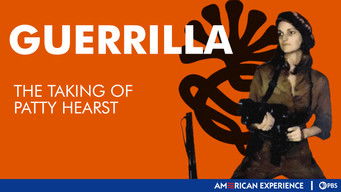 S17 · E11Guerilla: The Taking of Patty Hearst 2005-05-23 · 55 min
No episode summary available yet.
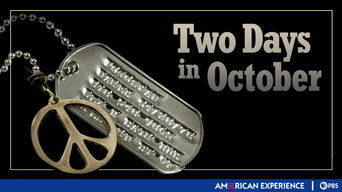 S18 · E1Two Days in October 2005-10-17 · 55 min
"Two Days in October" recalls two 1967 events -- a Vietcong ambush and a violent antiwar demonstration at the University of Wisconsin -- that together marked a turning point in America's Vietnam tragedy. The ambush, on Oct. 17, killed 64 of the 142 U.S. troops attacked, and showed, maybe for the first time, that the war might not be winnable. And the protest, a day later against Dow Chemical Co., is believed to be the first antiwar demonstration to turn violent.
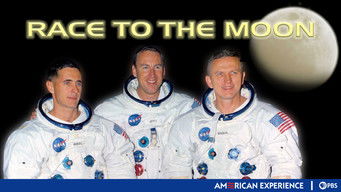 S18 · E2Race to the Moon 2005-10-31 · 55 min
"Race to the Moon" chronicles Apollo 8, the first voyage to the moon. "It was an event beyond all other events," says Walter Cronkite of the December 1968 mission, which laid the groundwork for the first lunar landing seven months later. Cronkite and author Andrew Chaikin put the flight into context; astronauts Frank Borman, Jim Lovell and Bill Anders and their wives recall it firsthand. Says Lovell of seeing the lunar landscape, "We were like three kids looking into a candy-store window."
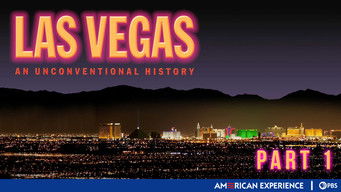 S18 · E3Las Vegas: An Unconventional History (1): Sin City 2005-11-14 · 55 min
The story of the gambling mecca is told via news clips and reminiscences. Part 1 of 2
 S18 · E4Las Vegas: An Unconventional History (2): American Mecca 2005-11-15 · 55 min
News clips and reminiscences tell the story of the gambling mecca, from a dusty railroad town to a leading tourist attraction. Part 2 of 2
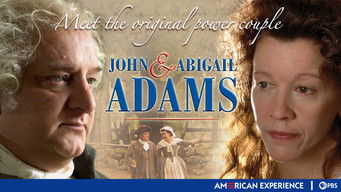 S18 · E5John and Abigail Adams 2006-01-23 · 55 min
An engrossing portrait of the second U.S. president and first lady, costars Simon Russell Beale and Linda Emond. Included: the friendship (and enmity) between John Adams and Thomas Jefferson (James Barbour), who both died on the 50th anniversary of the signing of the Declaration of Independence; the Adamses' “great love story”; their bouts with depression; his troubled presidency. Interspersed are comments from historians.
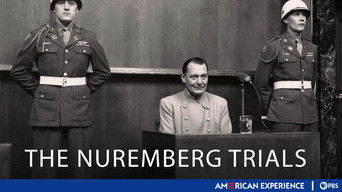 S18 · E6The Nuremberg Trials 2006-01-30 · 55 min
A gripping study of the groundbreaking prosecution, which began Nov. 20, 1945, as Nazi Germany's leaders were held accountable for war crimes, infamously blamed on "following orders." Profiled are Hermann Goering, the lead defendant, and Robert Jackson, the U.S. prosecutor. Also: comments from Walter Cronkite, who covered the proceedings; events leading to the trial, which had 21 defendants and eight judges; footage of concentration camps.
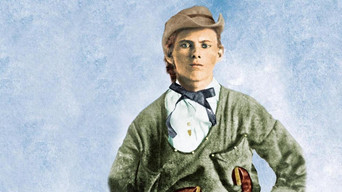 S18 · E7Jesse James 2006-02-06 · 55 min
A striking profile of the outlaw (1847-82) is told through reenactments, comments from historians and archival photographs. The hour traces James' life from age 16 to his death at 34 (he was shot in the back), and includes his years as a Southern guerrilla fighter, bandit and killer.
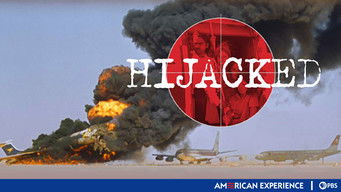 S18 · E8Hijacked 2006-02-25 · 55 min
A look at the coordinated hijacking of four jetliners in 1970 by the Popular Front for the Liberation of Palestine, which blew up the evacuated planes in Jordan. Included: the militants' use of civilians to further their goals.
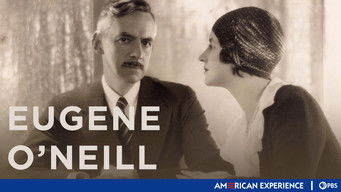 S18 · E9Eugene O'Neill 2006-03-21 · 55 min
An absorbing profile of the esteemed playwright (1888-1953). Included: excerpts from his plays are performed by Al Pacino, Zoe Caldwell, Christopher Plummer, Vanessa Redgrave, Liam Neeson and Natasha Richardson. Also: comments from Tony Kushner, John Guare, Sidney Lumet and Jason Robards. Plays include “The Iceman Cometh” and “Long Day's Journey into Night.”
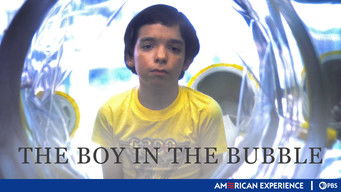 S18 · E10The Boy in the Bubble 2006-04-10 · 55 min
The absorbing story of David Vetter (1971-84), who had severe combined immunodeficiency and lived inside a sterile plastic chamber for 12 years. Included: comments from his mother, Carol Ann Vetter Demaret; and from doctors, who discuss their feelings about the use of the plastic chamber. Also: examinations of the boy's birth and his death, which occurred following a bone-marrow transplant from his sister.
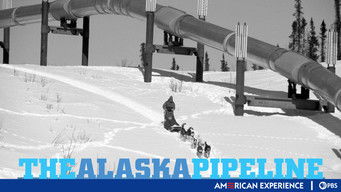 S18 · E11The Alaska Pipeline 2006-04-24 · 55 min
The history of the Alaska Pipeline, which was built in the 1970s to transport oil across 800 miles of pristine wilderness, from Prudhoe Bay to Valdez. Included: the 1968 discovery of the largest oil field in North America at Prudhoe Bay; the battle between Native Americans and the government over the land the pipeline would cross; environmental concerns; and construction of the pipeline itself, which employed 78,000 people and cost more than $8 billion.
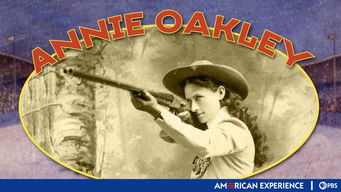 S18 · E12Annie Oakley 2006-05-08 · 55 min
An on-target profile of the sharpshooter (1860-1926) who was “the first American woman ever to become a superstar.” Included: Oakley, at 15, winning a shooting match with future husband Frank Butler; achieving stardom with Buffalo Bill's Wild West Show; filing libel suits against a number of newspapers for reporting that she was a drug addict; teaching thousands of women to shoot, while opposing women's suffrage.
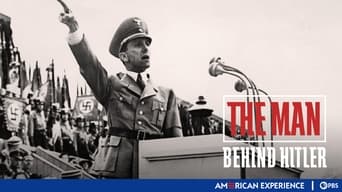 S18 · E13The Man Behind Hitler 2006-05-22 · 55 min
A profile of Joseph Goebbels (1897-45), who helped launch Hitler's rise to power. Kenneth Branagh provides voice-over readings of Goebbels' personal diaries. Included: footage from German archives tracing Goebbels' life; how Goebbels continually stage-managed his life and reinvented himself from his early days as a radical “popular socialist” to his death.
 S19 · E1Eyes on the Prize (1 & 2): Awakenings 1954-1956 / Fighting Back 1957-1962 2006-10-02 · 55 min
Part 1 of 3 of the award-winning 1987 documentary "Eyes on the Prize." Included: profiles of Mose Wright and Rosa Parks; conflicts sparked by the Supreme Court's 1955 ruling that schools should be integrated; James Meredith's efforts to enroll at the University of Mississippi in 1962; and newsreel comments by former Mississippi senator James Eastland.
 S19 · E2Eyes on the Prize (3 & 4): Ain't Scared of Your Jails 1960-1961/No Easy Walk 1961-1963 2006-10-09 · 55 min
Part 2 of the 1987 documentary "Eyes on the Prize." Included: the 1960 Greensboro, N.C., lunch-counter sit-in; the Student Nonviolent Coordinating Committee; the rise of mass demonstrations in the civil-rights movement; Martin Luther King Jr.'s I Have a Dream speech; children's marches in Birmingham, Ala.
 S19 · E3Eyes on the Prize (5 & 6): Is This America? 1963-1964 / Bridge to Freedom 1965 2006-10-16 · 55 min
Conclusion of the 1987 documentary “Eyes on the Prize.” Included: events of 1963 and '64, when Mississippi became a battleground in the civil-rights movement; the 1963 assassination of Medgar Evers; the 1964 black voter-registration drive; the march for voting rights from Selma to Montgomery.
 S19 · E4Test Tube Babies 2006-10-23 · 55 min
History of in vitro fertilization, traces IVF from an early success with rabbits to the present. Included: controversy and setbacks; the 1978 birth of Louise Joy Brown, the first IVF-born baby; the birth of America's first test-tube baby, Elizabeth Jordan Carr, in 1981. Also: comments from scientists, a couple involved in a lawsuit against a hospital.
 S19 · E5The Great Fever 2006-10-30 · 55 min
The history of yellow fever, and how it was determined that the disease was transmitted by mosquitoes. Included: the work of Carlos Finlay, the Cuban physician who found the link to the insects; how Finlay's theory influenced Jesse Lazear and James Carroll, scientists who were part of Walter Reed's team after Reed was sent by the U.S. to Havana to find the cause of the disease when American troops were sent to Cuba following the Spanish-American War.
 S19 · E6The Gold Rush 2006-11-06 · 55 min
A vibrant retelling of the mania that followed the discovery of gold in San Francisco in 1848. "Next to the Civil War in the 19th century," says historian J.S. Holliday, "no other event had a greater impact." The focus is on five real-life adventurers, including a down-on-his-luck Chilean aristocrat; a New York blacksmith who leaves his family in hopes of striking it rich; and a determined Missouri woman.
 S19 · E7The Berlin Airlift 2007-01-29 · 55 min
One of the first skirmishes of the Cold War, the 1948-49 Soviet blockade of rail and road traffic to and from West Berlin, is recalled. The U.S. and its allies responded with an airlift of food and supplies to residents. Included: archival footage; and comments from mission pilots and some of the civilians who received aid.
 S19 · E8The Living Weapon 2007-02-05 · 55 min
"The Living Weapon" explores the history of America's biological-weapons program, which began in 1942 with a group that worked parallel to the Manhattan Project, and continued to 1969, when President Nixon terminated it. Included: comments from Bill Patrick, the program's chief of product development; bioweapons historian Norman Covert; biowarfare expert Martin Furmanski; historian Brian Balmer; Jeanne Guillemin, senior adviser to MIT's Security Studies Program.
 S19 · E9New Orleans (1 & 2) 2007-02-12 · 55 min
A history of New Orleans, from its origins as a French settlement to its post-Katrina present. Included: archival photos and film footage; and comments from New Orleans historians, residents and scholars on subjects like the birth of jazz, the city's struggles with integration and segregation, the white flight to the suburbs in the 1950s and the return of Katrina survivors.
 S19 · E10Sister Aimee 2007-04-02 · 55 min
A profile of Sister Aimee Semple McPherson (1890-1944), a popular Pentecostal evangelist during the 1920s and '30s. Included: comments from biographer Matthew Avery Sutton, author Daniel Mark Epstein, and Boston University religion professor Stephen Prothero.