
Seasons & episodes
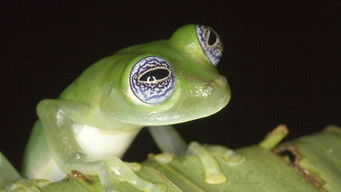 S27 · E10Frogs: The Thin Green Line 2009-04-05 · 53 min
More than a third of all amphibians have already been lost, and more are disappearing every day. A fungus called chytrid has been identified as the major culprit.
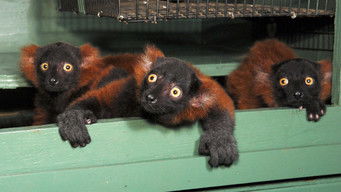 S27 · E11The Loneliest Animals 2009-04-19 · 53 min
Around the globe, unique and fascinating species face extinction. Follow the plight of these creatures and the dedicated conservationists who fight for them.
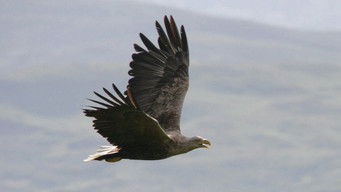 S27 · E12Eagles of Mull 2009-05-03 · 53 min
Returning home to the Isle of Mull after 15 years abroad, Gordon Buchanan was happy for the chance to take a new look at his native land, through his camera lens.
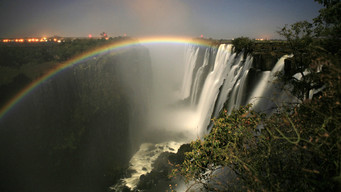 S27 · E13Victoria Falls 2009-05-17 · 53 min
The world's largest waterfall, Victoria Falls, is explored through the eyes of a 74-year-old fisherman who's lived near the 350-foot wonder, located on the Zambezi River in southern Africa, for all of his life. During the rainy season (November to April), much of the wildlife that depend on the river for subsistence dissipate into the savanna. The rest of the year, however, it attracts baboons, eagles, elephants, hippos, kingfishers and quelea finches, among other creatures.
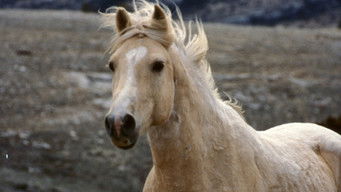 S28 · E1Cloud: Challenge of the Stallions 2009-10-25 · 51 min
The epic story of a wild stallion continues with the third installment of the Cloud series.
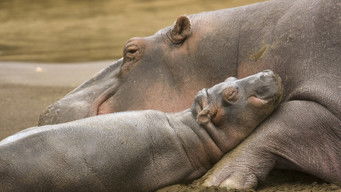 S28 · E2Born Wild: The First Days of Life 2009-11-01 · 53 min
Across the animal kingdom, some of the most essential lessons -- and the most extreme challenges -- occur in the first moments of life.
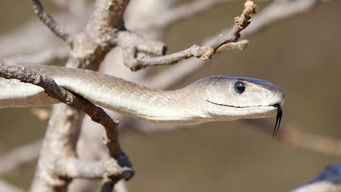 S28 · E3Black Mamba 2009-11-08 · 53 min
The black mamba is Africa’s deadliest snake. In Swaziland, snake handler Thea Litschka-Koen and her husband, Clifton, endeavor to change attitudes and save lives.
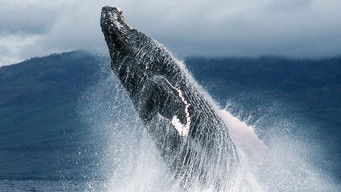 S28 · E4Fellowship of the Whales 2009-11-15 · 53 min
A baby humpback enters the world and joins the 3,000 or more whales that congregate in the waters off Hawaii each winter. This is the story of her first year of life.
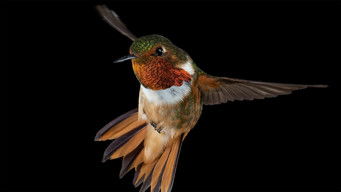 S28 · E5Hummingbirds: Magic in the Air 2010-01-10 · 53 min
These tiny marvels dazzle and delight bird watchers all over the world, and NATURE reveals their stunning abilities as they have never been seen before.
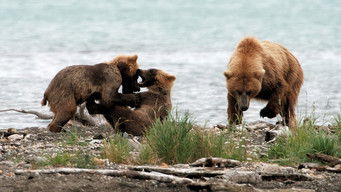 S28 · E6Clash: Encounters of Bears and Wolves 2010-01-17 · 53 min
The wilds of Yellowstone National Park are a world of predators, scavengers and opportunists. In this vast and complex kingdom, two dominant predators reign supreme: the grizzly bear and the wolf. Size and power square off against speed and teamwork, as mighty grizzly bears contend with powerful packs of wolves for control of the food supply. Though these two fearsome hunters would normally rule their ranges uncontested, in Yellowstone they must share resources, or face starvation.
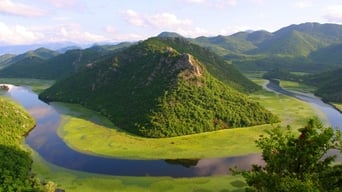 S28 · E7Wild Balkans 2010-01-31 · 53 min
The Balkan Peninsula is notorious for being one of the great battlegrounds of history. And yet, it possesses another side unknown to many, where ancient forests and vast wetlands harbor pristine wilderness, and sheer cliff walls and desolate plateaus preserve a seemingly unchanged past. Indeed the Balkan Peninsula is home to a variety of regions that border on mythical. In Croatia’s Kopacki Rit Wetlands, land mines keep people away, but enable native wildlife to thrive. Further south, Montenegro’s Tara River carves through Europe’s longest and deepest canyon, and neighboring forests provide refuge to rare animals such as the Balkan Lynx. To the east, millions of birds flock to the Danube Delta to feast on swarms of mosquitoes. And at the west of the Balkans is Skadar Lake, a remarkable landscape of peaks and water.
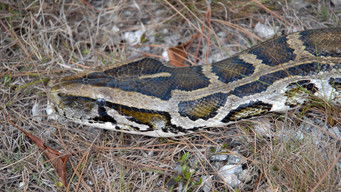 S28 · E8Invasion of the Giant Pythons 2010-01-19 · 53 min
The Everglades’ watery oasis has been invaded by giants. Florida’s Everglades National Park has become a dumping ground for a variety of non-native species, including what may be tens of thousands of Burmese pythons. Follow scientists and snake hunters as they study the problem and try to find solutions to the growing crisis.
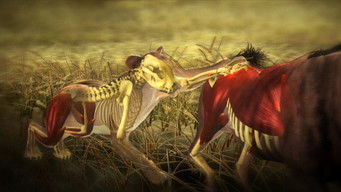 S28 · E9Moment of Impact: Hunters & Herds 2010-04-04 · 53 min
They are the scenes of some of the largest concentrations of predators and prey on the planet – the vast tracts of grassland and savannah found on every continent but Antarctica. Yet survival in this kind of open, horizontal world is far from easy, with few places to hide, a scarcity of vegetation, drought, fire and the threat of attack by some of the world’s fastest and most powerful hunters. From Africa’s Serengeti to California’s grasslands, some of nature’s most dramatic moments are caught, examined and “fractured” into their unique parts … within creatures great and small … to reveal the amazing abilities that give each animal the instinct, intelligence and brute prowess to survive. From elaborate impact sequences that spin around animals caught in a “frozen moment” to animations that go inside their bodies – a unique view of animals’ amazing biomechanics is revealed.
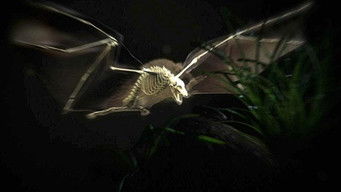 S28 · E10Moment of Impact: Jungle 2010-04-11 · 53 min
Teeming with creatures in every shape and form, the jungle is the most diverse habitat on the planet and home to nearly half of the world’s plant and animal species. Rising hundreds of feet from the dark depths of the tropical forest floor, through layers of twisting branch and canopy full of life – this vertical landscape pushes the limits of animal engineering. The jungle’s layers are peeled back to dissect more amazing moments of impact. Stealth and ambush reign in the jungle and survival depends on highly tuned senses and ingenious defenses. From ninja ants to flying snakes, cameras dive underwater, sail through trees and penetrate fur, feathers, skin and bone to reveal the science of some amazing animal engineering hidden deep in the jungle.
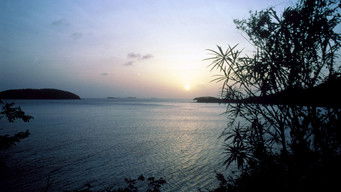 S29 · E1Cuba: The Accidental Eden 2010-09-26 · 53 min
Cuba may have been restricted politically and economically for the past 50 years, but its borders have remained open to wildlife for which Cuba’s undeveloped islands are an irresistible draw. While many islands in the Caribbean have poisoned or paved over their ecological riches on land and in the sea in pursuit of a growing tourist industry, Cuba’s wild landscapes have remained virtually untouched, creating a safe haven for rare and intriguing indigenous animals, as well as for hundreds of species of migrating birds and marine creatures. Coral reefs have benefited, too. Independent research has shown that Cuba’s corals are doing much better than others both in the Caribbean and around the world.
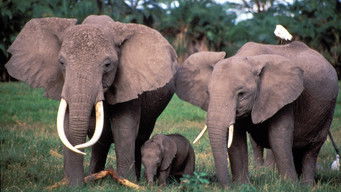 S29 · E2Echo: An Elephant to Remember 2010-10-17 · 53 min
Echo, Africa’s most famous elephant, was the subject of many films and the matriarch of perhaps the most studied wild elephant herd in the world. In May of 2009, she died of natural causes. This film is a look back at this remarkable animal through extraordinary footage and interviews with the researchers that cared for and studied Echo and her family.
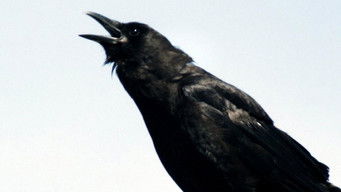 S29 · E3A Murder of Crows 2010-10-24 · 53 min
Although cultures around the world may regard the crow as a scavenger, bad omen, or simply a nuisance, this bad reputation might overshadow what could be regarded as the crow’s most striking characteristic – its intelligence. New research indicates that crows are among the brightest animals in the world. NATURE’s A Murder of Crows brings you these so-called feathered apes, as you have never seen them before.
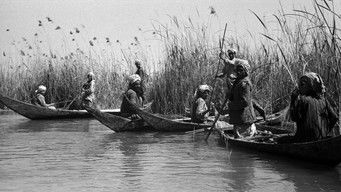 S29 · E4Braving Iraq 2010-11-07 · 53 min
As recently as the 1980’s, Iraq’s Mesopotamian Marshes were reminiscent of the Garden of Eden – indeed, many biblical scholars believe they are one and the same. Fed by the combined waters of the Tigris and the Euphrates rivers, this enormous marshland of over 6,000 square miles dominated southern Iraq. For more than 7,000 years, these wetlands provided a bountiful home for both wildlife and humans. A large population of indigenous people, the Ma’dan Tribes known as Marsh Arabs, had thrived there for centuries. But in the 1990’s, due to political conflict, Saddam Hussein attempted to eradicate them – not through systematic extermination, but by destroying the marshes on which they depended for survival. Massive canals were dug, diverting river water away from the wetlands and towards the Persian Gulf. Huge embankments were built to prevent water from entering the marshes. What had been a green paradise twice the size of the Everglades shrank to less than 10% of its original size. Most of it was transformed into a parched, lifeless desert. The wildlife and the people were forced to leave.
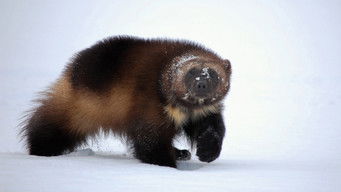 S29 · E5Wolverine: Chasing the Phantom 2010-11-14 · 53 min
Wolverines are among the most elusive creatures on the planet. They seek out the toughest terrain – the most rugged, remote and fiercely raw – and they’ve always been scarce to begin with.
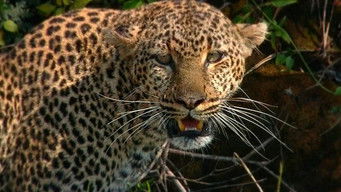 S29 · E6Revealing the Leopard 2010-11-21 · 53 min
Leopards may be smaller than lions and slower than cheetahs, but it is believed there are roughly ten times more of them than lions, tigers and cheetahs combined. How have they achieved this? The key to their success is their cunning, stealth, and adaptability. From South Africa to Sri Lanka, leopards live secretly, clinging to the shadows.
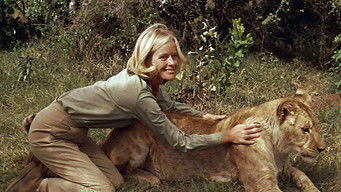 S29 · E7Elsa's Legacy: The Born Free Story 2011-01-09 · 53 min
In 1960, a book written about raising an orphaned lion cub named Elsa and then releasing her back into the wild became a worldwide bestseller and a Hollywood hit. But this retelling of Elsa’s story reshapes the story told fifty years ago, as it really happened and with no fairy tale ending.
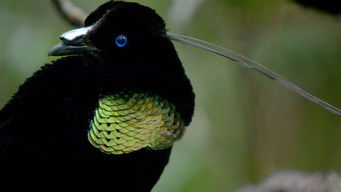 S29 · E8Birds of the Gods 2011-01-23 · 53 min
On the island of New Guinea in the South Pacific lives the most striking and diverse group of birds on the planet. Local biologists and conservationists, Miriam Supuma and Paul Igag, go into the island’s dense forests in their quest to document the mating behaviors of several exceptional and elusive birds of paradise.
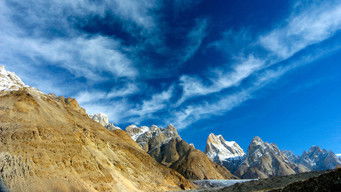 S29 · E9The Himalayas 2011-02-13 · 53 min
Examining the diversity of Himalayan habitats and wildlife, including snow leopards, red pandas, Asiatic black bears, musk deer, snub-nosed monkeys, Tibetan foxes and high-flying birds. Included: how eagles and wolves rely on teamwork to survive; how the blood of bar-headed geese has a special hemoglobin that enables them to fly in the thin air of the Himalayas. Also: the mountains' valleys, which are home to rain forests that conjure Shangri-La.
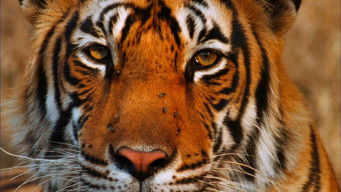 S29 · E10Broken Tail: A Tiger's Last Journey 2011-02-20 · 53 min
Wildlife filmmaker Colin Stafford-Johnson tracks the trek of Broken Tail, a 2-year-old tiger that disappeared from Ranthambore National Park, a tiger reserve in India, and was killed by a train 100 miles away. Their horseback journey takes them across Rajasthan, where they witness how India's historical and contemporary cultures are linked to tigers; introduces them to a poacher; and takes them to Ramgarh sanctuary, a former hunting lodge. They also share favorite memories of Broken Tail.