
Seasons & episodes
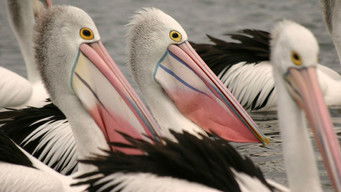 S29 · E11Outback Pelicans 2011-03-27 · 53 min
The Australian pelican is built for long-distance travel. With a light skeleton and a wingspan of over eight feet, it can be airborne all day and deep into the night. But what exactly triggers their journey? How do they find their way? NATURE looks for answers to questions researchers are only now beginning to unravel.
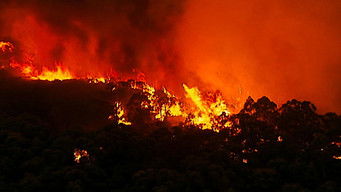 S29 · E12Survivors of the Firestorm 2011-04-17 · 53 min
In February 2009, conditions were ripe for wildfires in the state of Victoria in southeast Australia. Relentless heat waves, seemingly endless drought, and arid winds sweeping in from the outback had left the countryside tinder dry and braced for the worst. Then, on Saturday, February 7, Victoria went up in flames; and raging fires engulfed everything in their path. By the time the fires subsided, 173 people had lost their lives, over one million acres of mountain ash forest had been destroyed, and countless animals had perished. The overwhelming firestorm was one of the worst in the country’s history, and came to be known as Black Saturday. Survivors of the Firestorm follows the phoenix-like story of Victoria’s wildlife, the fall and rise of the great mountain ash forests and all that dwell within them, and the extraordinary capacity of a damaged natural world to bounce back.
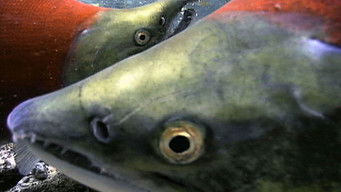 S29 · E13Salmon: Running the Gauntlet 2011-05-01 · 53 min
This film investigates the collapse of Pacific salmon populations and the desperate efforts to save them: Our once great runs of salmon are now conceived in laboratories, raised in tanks, driven in trucks, and farmed in pens. In its exposure of a wildly creative, hopelessly complex, and stunningly expensive approach to managing salmon, the film reveals one of the most ambitious plans ever conceived for taking the reins of the planet.
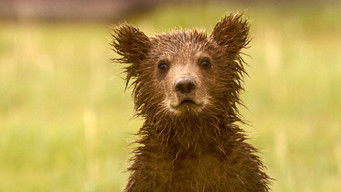 S29 · E14Bears of the Last Frontier: City of Bears 2011-05-08 · 53 min
Chris Morgan sets up camp at a remote spot in the heart of Alaskan wilderness, alongside the largest concentration of grizzlies in the world. It is June in the Alaska Peninsula. The sun sets well into night and bears are taking advantage of the long days to feed, mate, and raise new cubs. Morgan tracks their progress as they feast on the riches of the season and re-establish the complex hierarchal social dynamics of bear society. Along the way, he experiences close encounters with bears, observing brutal battles among males during mating season as well as tender moments between a grizzly mom and her cubs.
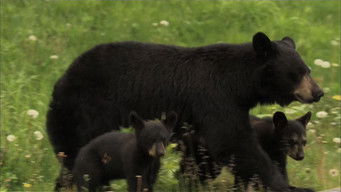 S29 · E15Bears of the Last Frontier: The Road North 2011-05-15 · 53 min
Chris Morgan explores the world of black bears caught in the crossroads of urban development in Anchorage and the wilderness. This is a new normal for bears and for their human neighbors. Some bears are so comfortable living in urban surroundings that their primary habitat is a golf course. In residential areas, bears frequently raid garbage bins and birdfeeders for easy snacks. But these behaviors are less than ideal for bears and residents alike. Morgan heads north out of Anchorage to Denali National Park, where the mountains loom over treeless plains and bears get by on a diet of thousands of berries a day. The grizzlies share the enormous park with foxes, wolves and moose — and with one intrepid bear biologist and his team. Morgan continues his journey north on a bone-shaking, 610-mile motorcycle journey from Denali to Prudhoe Bay along the only Alaskan highway to reach the Arctic. Prudhoe Bay, a once pristine area at the edge of the Arctic Ocean, has been changed forever by the oil industry.
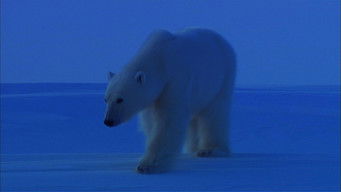 S29 · E16Bears of the Last Frontier: Arctic Wanderers 2011-05-22 · 53 min
Chris Morgan travels to the far north of Alaska, the tiny North Slope town of Kaktovik. It’s early November and winter is coming on. But each year, the polar bears struggle for extended periods on dwindling fat reserves, waiting for the opportunity to hunt on sea ice that takes longer to freeze. In early spring, Morgan joins local hunters in Barrow, the northernmost city in Alaska, as they go out on their own hunts, facing some of the same challenges as the bears. In late spring, Morgan travels to the North Slope of the Brooks Range, where countless thousands of caribou cover the ground for miles. The grizzlies are waiting for them, as they have for thousands of years.
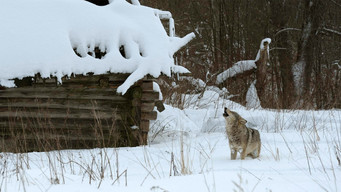 S30 · E1Radioactive Wolves 2011-10-19 · 53 min
What happens to nature after a nuclear accident? And how does wildlife deal with the world it inherits after human inhabitants have fled? Radioactive Wolves examines the state of wildlife populations in Chernobyl’s exclusion zone, an area that, to this day, remains too radioactive for human habitation.
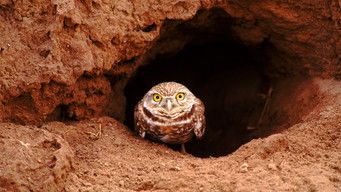 S30 · E2The Animal House 2011-11-02 · 53 min
Some of the most amazing, creative, and innovative structures on earth are not man-made.
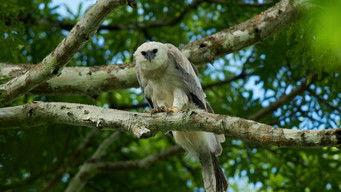 S30 · E3Jungle Eagle 2011-11-09 · 53 min
Harpy eagles are the most powerful birds of prey in the world. Standing three feet tall, with a six-foot wingspan and talons the size of bear claws, these birds are the heavyweight hunters of the South American rainforest. Enter their secret world.
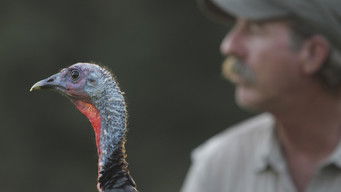 S30 · E4My Life as a Turkey 2011-11-16 · 53 min
After a local farmer left a bowl of eggs on Joe Hutto’s front porch, his life was forever changed. Based on his true story, My Life as a Turkey chronicles Hutto’s remarkable and moving experience of raising a group of wild turkey hatchlings to adulthood.
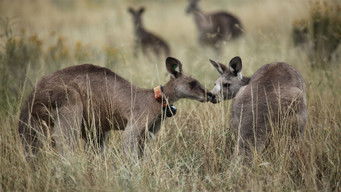 S30 · E5Kangaroo Mob 2012-01-11 · 53 min
In the past 50 years, the kangaroo population around Canberra, Australia’s capital city, has exploded from a few hundred to tens of thousands. Following the stories of several urban kangaroos, this film reveals how these marsupials manage to survive the city, and documents the ongoing debate on how best to manage them.
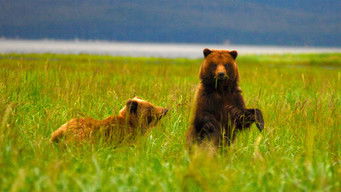 S30 · E6Fortress of the Bears 2012-01-25 · 53 min
Alaska’s Admiralty Island is home to the largest concentration of bears in the world. At half the size of Yellowstone National Park, it manages to sustain four times as many grizzlies. The native Tlingít people call this island “Kootznoowoo,” which means “Fortress of the Bears.”
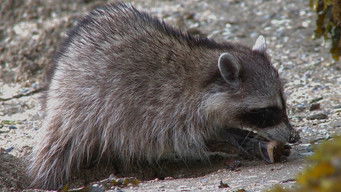 S30 · E7Raccoon Nation 2012-02-08 · 53 min
Following a family of urban raccoons over the course of six months, and using high-definition cameras and intensive GPS tracking systems, “Raccoon Nation” reveals new insights about a species that is far more elusive and wily than most people ever imagined, and more destructive.
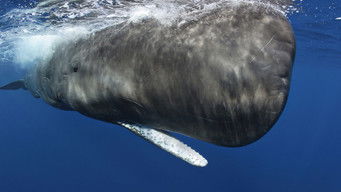 S30 · E8Ocean Giants: Giant Lives 2012-02-22 · 53 min
Whales and dolphins conjure a deep sense of wonder in us that’s hard to explain. From the Arctic to the Amazon, this groundbreaking three-part series goes on a global expedition with world-renowned underwater cameramen, Doug Allen (Planet Earth) and Didier Noirot (Jacques Cousteau’s cameraman), as they capture spellbinding footage of these marine mammals. Ocean Giants looks at how cetaceans hunt, mate, and communicate, and follows scientists as they strive to uncover new insights about these animals. The first hour, Giant Lives, enters the world of the great whales. In the Arctic, giant bowhead whales survive the freezing cold wrapped in fifty tons of insulating blubber two-feet thick, making them the fattest animals on the planet. But the biggest animal on the planet is the blue whale. Measuring a hundred feet long, and weighing in at 200 tons, it is double the size of the largest dinosaur.
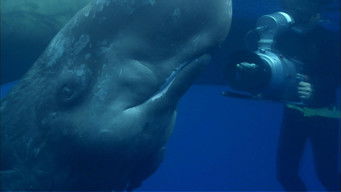 S30 · E9Ocean Giants: Deep Thinkers 2012-02-22 · 53 min
Whales and dolphins conjure a deep sense of wonder in us that’s hard to explain. From the Arctic to the Amazon, this groundbreaking three-part series goes on a global expedition with world-renowned underwater cameramen, Doug Allen (Planet Earth) and Didier Noirot (Jacques Cousteau’s cameraman), as they capture spellbinding footage of these marine mammals. Ocean Giants looks at how cetaceans hunt, mate, and communicate, and follows scientists as they strive to uncover new insights about these animals. The second hour, Deep Thinkers, explores the cognitive and emotional lives of dolphins and whales. Like us, cetaceans have special brain cells, spindle cells, that are associated with communication, emotion, and heightened social sensitivity. These cells were once thought to be unique to us, but research is now showing that whales and dolphins may have up to three times more spindle cells than humans.
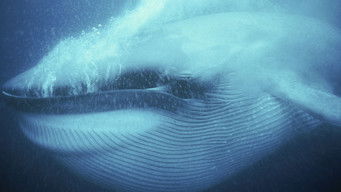 S30 · E10Ocean Giants: Voices of the Sea 2012-02-22 · 53 min
Whales and dolphins conjure a deep sense of wonder in us that’s hard to explain. From the Arctic to the Amazon, this groundbreaking three-part series goes on a global expedition with world-renowned underwater cameramen, Doug Allen (Planet Earth) and Didier Noirot (Jacques Cousteau’s cameraman), as they capture spellbinding footage of these marine mammals. Ocean Giants looks at how cetaceans hunt, mate, and communicate, and follows scientists as they strive to uncover new insights about these animals. Marine mammals’ extrasensory perceptions and communication skills are the focus of Voices of the Sea, the final hour of the series. Whales and dolphins depend on sound to function in their ocean home. They use ultrasound to see inside other creatures, clicks and whistles to speak, and echolocation to navigate and hunt in the pitch-black depths.
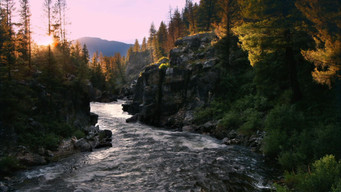 S30 · E11River of No Return 2012-04-18 · 53 min
Deep in the heart of Idaho lies the Frank Church-River of No Return Wilderness, part of the largest roadless area left in the lower 48 states. At 2.5 million acres, it is larger than Yellowstone. River of No Return tells the story of a couple that took on the wilderness and all its challenges.
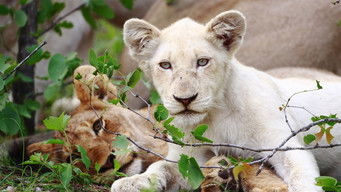 S30 · E12The White Lions 2012-05-09 · 53 min
White lions are among the rarest and most treasured animals in the world. Rarer still is their survival in the wild. Follow NATURE as it tracks two white lion cubs as they struggle to survive the dangers they are faced with in South Africa’s Kruger National Park.
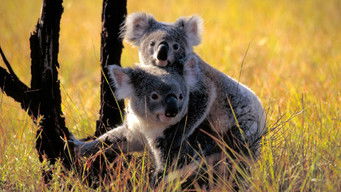 S30 · E13Cracking the Koala Code 2012-05-16 · 53 min
Explore the day-to-day dramas of an extended family of koalas, seen through the eyes of the scientists studying their every move and vocalization.
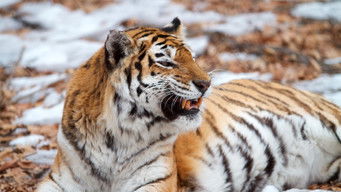 S31 · E1Siberian Tiger Quest 2012-10-10 · 53 min
Conservation ecologist Chris Morgan embarks on a challenge that will fulfill a lifelong dream — to find and film a Siberian tiger living wild and free in Russia’s far eastern forests. To help him, Morgan turns to Korean cameraman Sooyong Park, the first individual ever to film Siberian tigers in the wild.
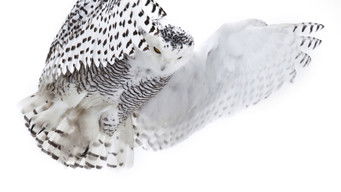 S31 · E2Magic of the Snowy Owl 2012-10-24 · 53 min
Filmmakers take us deep into the snowy owl’s tundra home on the North Slope of Alaska to observe the daily struggles involved in raising a family of helpless owlets until they’re able to fly.
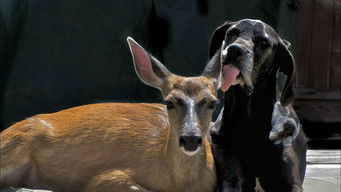 S31 · E3Animal Odd Couples 2012-11-07 · 53 min
Love apparently knows no boundaries in the animal kingdom. Despite the odds, there are countless stories of the most unlikely cross-species relationships imaginable. Instincts gone awry? NATURE investigates why animals form these special bonds and what these relationships suggest about the nature of animal emotions.
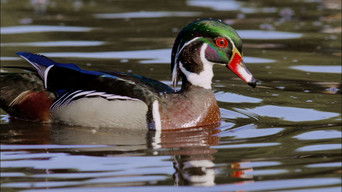 S31 · E4An Original DUCKumentary 2012-11-14 · 53 min
Masters of the water and air, they have conquered the globe. From deft dabblers to great divers, these are one of the Animal Kingdom's ultimate athletes. Take a fascinating look at one of our most familiar birds.
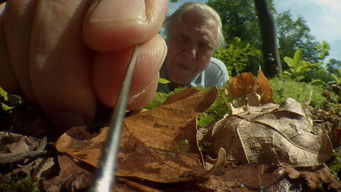 S31 · E5Attenborough's Life Stories: Life on Camera 2013-01-23 · 53 min
Attenborough revisits key places and events in his career and shows how a succession of technical innovations in filmmaking led to remarkable revelations about our planet and the creatures that inhabit it.